
Dog Tooth Decay Stages Every Pet Owner Should Know
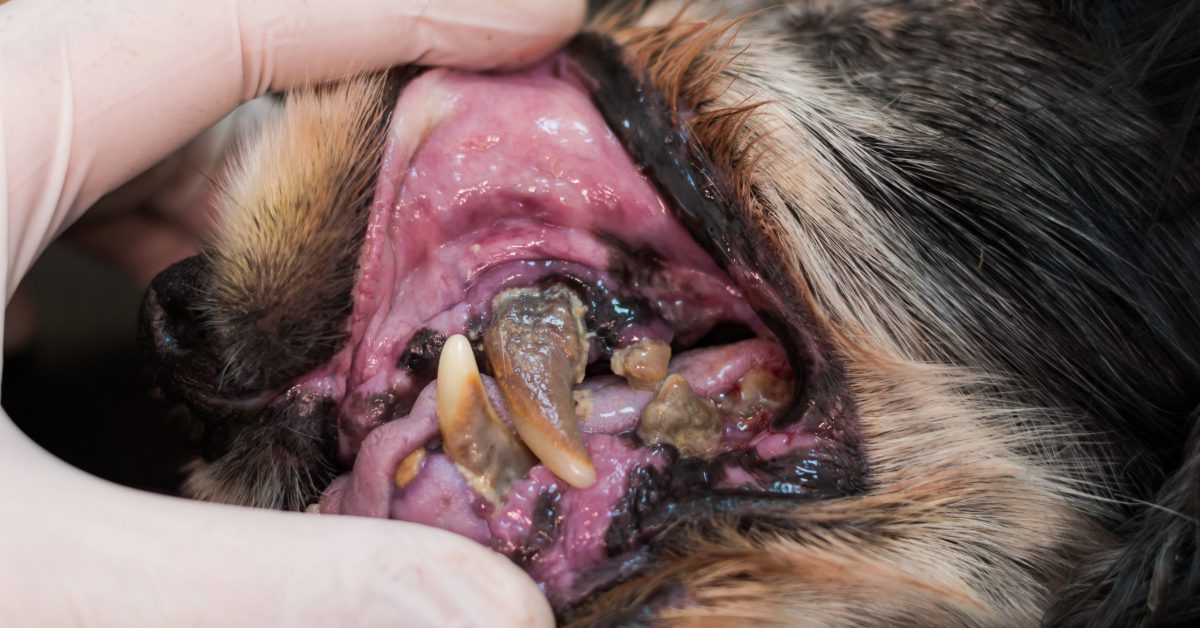
You might notice a little bad breath or a bit of tartar on your dog’s teeth and assume it is minor, but the dog tooth decay stages tied to periodontal disease often begin quietly and progress long before obvious pain appears. Many families tell us they only realized something was wrong after treatment, when their dog suddenly seemed more energetic, ate better, or acted more like themselves. Periodontal disease affects structures below the gumline, so a dog can live with infection, inflammation, and oral discomfort without dramatic outward signs. Understanding how dental disease advances helps you recognize risk earlier and prioritize preventive care. At Veterinary Dental Services, LLC, we focus on educating pet owners about these stages so they can partner with their primary veterinarian and dental specialists to protect long-term oral health.
What Causes Tooth Decay in Dogs?
Tooth decay in dogs most often develops as part of periodontal disease, a bacterial infection that affects the gums, supporting ligaments, and bone around the teeth. The process begins when food particles and bacteria mix with saliva to form plaque, a sticky film that coats the tooth surface. If plaque remains in place, minerals in saliva harden it into tartar, which clings tightly to teeth and creates a rough surface where more bacteria collect. This bacterial buildup triggers inflammation of the gums, known as gingivitis, which marks the earliest phase of periodontal disease. Without professional cleaning and daily home care, infection can move deeper below the gumline, where it damages the structures that hold teeth in place. Over time, this progression leads to the recognizable dog tooth decay stages associated with tissue destruction and tooth loss.
Several factors influence how quickly dental disease develops:
- Breed and anatomy: Small and toy or brachycephalic breeds often have crowded teeth, which trap plaque and speed up periodontal changes.
- Age: The risk increases as dogs get older because plaque has had more time to accumulate.
- Home care habits: Irregular brushing allows bacteria to thrive along the gumline.
- Diet and chewing behavior: Certain textures may help reduce plaque, while soft debris that sticks to teeth can contribute to buildup.
Even with attentive care, many dogs still need professional dental cleanings and dental radiographs to fully evaluate what is happening below the surface.
The Stages of Dog Tooth Decay
The dog tooth decay stages described here follow the American Veterinary Dental College ® (AVDC ®) classification system for periodontal disease. These stages focus on how far inflammation and infection have progressed in the gums and supporting tissues. Each stage builds on the last, which is why early detection makes such a difference.
Stage 1: Gingivitis
In Stage 1, inflammation affects the gums but has not yet damaged the deeper structures that support the teeth. You may see redness along the gumline, mild swelling, or bleeding during brushing. Tartar may already be visible, but bone and ligament support remain intact at this point. Most dogs often continue eating normally, and many show no behavioral changes. Because discomfort may be subtle, this stage frequently goes unnoticed without an oral exam. Professional cleaning and improved home care can often reverse gingivitis and prevent advancement to more serious tooth decay stages.
Stage 2: Early Periodontitis
Stage 2 involves early loss of attachment between the tooth and supporting tissues. Infection moves below the gumline and begins to damage the periodontal ligament and bone. Gum inflammation becomes more pronounced, and pockets may form between the tooth and gum. These pockets trap bacteria and debris, allowing disease to progress in areas you cannot see at home. Dental radiographs become important here because they reveal bone changes that are invisible above the gumline. Dogs may still appear comfortable, but underlying damage has started.
Stage 3: Moderate Periodontitis
In Stage 3, periodontal disease causes more significant loss of support around the teeth. Bone loss becomes measurable, and deeper pockets develop. Teeth may feel slightly loose, and bad breath often worsens due to ongoing bacterial infection. Some dogs begin chewing on one side, dropping food, or resisting having their mouth handled. Inflammation can extend beyond the mouth, and oral bacteria may enter the bloodstream. At this stage, treatment becomes more involved and may include advanced cleaning, periodontal therapy, or extractions.
Stage 4: Advanced Periodontitis
Stage 4 represents severe destruction of the tissues that hold teeth in place. Extensive bone loss, deep periodontal pockets, and marked tooth mobility are common. Pain may finally become obvious, with dogs pawing at their mouth, avoiding hard food, or showing facial swelling. Abscesses and tooth root infections can develop, and teeth may fall out or require surgical extraction. Chronic infection in the mouth can affect overall health and quality of life. Recognizing the earlier stages of periodontal disease helps prevent dogs from reaching this advanced level.
Signs to Watch For
Periodontal disease often hides behind normal routines, which is why many owners recognize changes only after treatment improves their dog’s comfort. Still, certain signs can raise concern and prompt an exam.
- Persistent bad breath that does not improve with routine home care
- Red, swollen, or bleeding gums along the tooth margins
- Yellow or brown tartar buildup on the teeth
- Dropping food or chewing on one side of the mouth
- Reluctance to play with chew toys they once enjoyed
Behavioral changes can also signal oral discomfort. A dog that seems quieter, less playful, or slower to finish meals may be coping with dental pain. Because many dogs mask discomfort, a lack of dramatic symptoms does not mean the mouth is healthy. Routine oral exams, dental radiographs, and professional cleanings remain key for identifying where a dog falls within the dog tooth decay stages.
Treatment and Prevention
Treatment depends on the stage of periodontal disease, but prevention remains the most effective approach. Professional dental cleanings under anesthesia allow veterinarians to remove plaque and tartar above and below the gumline. Dental radiographs reveal hidden bone loss, tooth root problems, and infection that visual exams cannot detect. Based on findings, the veterinary team may recommend periodontal therapy, extractions, or other procedures to manage disease and restore comfort. At home, consistent oral care supports professional treatment:
- Daily tooth brushing with pet-safe toothpaste helps disrupt plaque before it hardens.
-
Dental chews and approved oral products may reduce plaque and tartar when used as directed.
- Regular oral checks at home help you notice changes in gum color or tooth appearance.
Annual dental cleanings, combined with dental radiographs, give your dog the best chance of staying in the early dog tooth decay stages, or avoiding them altogether. These visits allow the care team to monitor subtle changes, adjust home care recommendations, and address issues before they progress. If you have questions about your dog’s oral health or notice any concerning signs, contact Veterinary Dental Services, LLC at (978) 929-9200. Our team works with pet owners and referring veterinarians to support healthy mouths and comfortable lives.
Turning Dental Knowledge into Daily Care
Periodontal disease rarely announces itself loudly in the beginning, which makes understanding the dog tooth decay stages so important. By the time obvious pain appears, infection has often advanced through multiple levels of tissue damage. Early professional care, routine dental radiographs, and daily home habits work together to slow or prevent this progression. Many dogs show brighter moods and better appetites once dental disease is addressed, reminding families how closely oral health ties to overall well-being. Staying proactive helps protect teeth, reduce chronic infection, and support your dog’s comfort for years to come.
Recent Posts
About Us
At Veterinary Dental Services, we provide advanced, compassionate, and AAHA-accredited dental care for pets. We’re proud to have set the standard in veterinary dentistry and oral surgery for more than 25 years.