
Dog Tooth Abscess: Is This an Emergency?
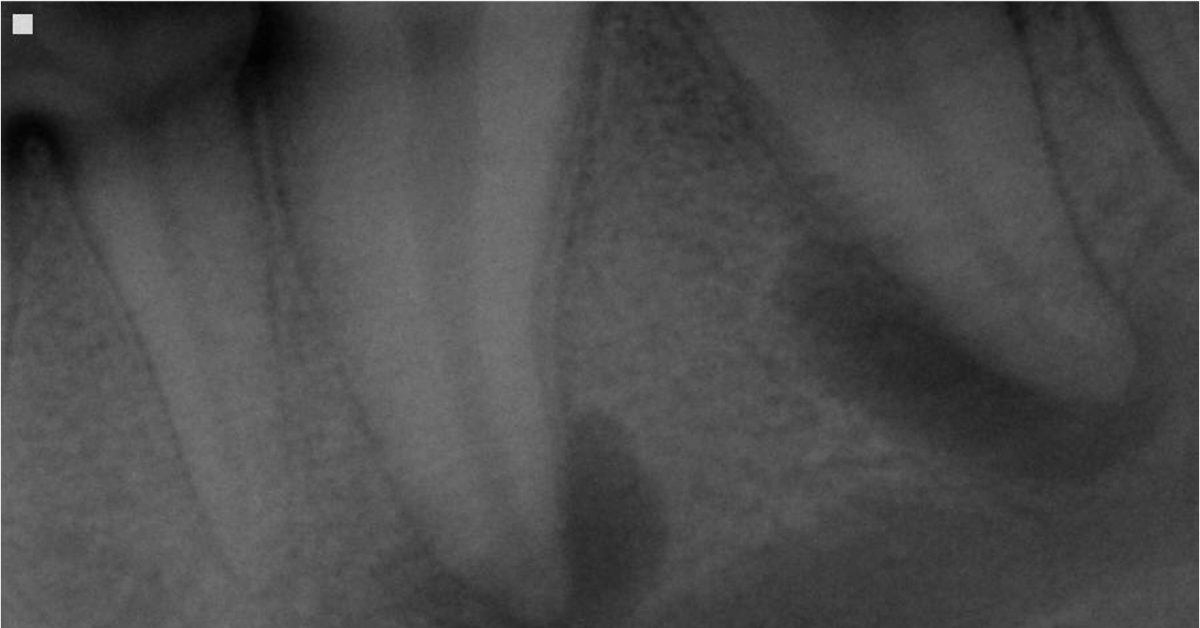
In general, a dog with a tooth abscess often requires urgent veterinary attention, but it is not usually life-threatening. We see many dogs arrive with facial swelling, hidden pain, or subtle behavior changes that trace back to an infected tooth. A tooth abscess forms when bacteria enter the inner structures of a tooth and create a pocket of infection. Left unchecked, that infection can spread, cause significant discomfort, and affect a dog’s overall health. The earlier we identify a tooth abscess, the more options we have to restore comfort and protect long-term oral health.
What Is a Dog Tooth Abscess?
A dog tooth abscess develops when bacteria invade the pulp of a tooth and trigger an inflammatory response. The body attempts to contain the infection, which leads to pressure buildup inside the jaw or surrounding tissues. This pressure explains why many dogs show sudden swelling or tenderness around the muzzle, eye, or jawline. We most often see an abscess in a tooth that has fractured or has advanced periodontal disease.
From a clinical standpoint, a dog tooth abscess emergency is better described as a dental urgent care situation rather than a crisis requiring immediate after-hours intervention in most cases. Even a small abscess can connect to deeper structures, including bone. Dogs rarely show discomfort in obvious ways, so a mild outward sign may mask a more complex issue below the surface. That is why we encourage pet owners to treat any suspected abscess seriously.
How Tooth Abscesses Commonly Develop
Tooth abscesses usually follow a predictable path. Bacteria penetrate a crack, fracture, or gum pocket and migrate toward the root. Over time, the infection expands and weakens surrounding tissue. The body responds with inflammation and fluid buildup, which creates visible swelling or drainage. In some dogs, the abscess opens through the skin below the eye or along the jaw, creating a small draining tract that owners may mistake for a skin wound.
Signs of a Tooth Abscess in Dogs
Dogs express oral pain in subtle ways. Most continue eating, even when their mouth feels uncomfortable. Because of this, a dog tooth abscess can progress quietly until swelling or discharge becomes obvious. We advise owners to watch for patterns rather than relying on one single sign.
Common indicators include:
- Facial swelling near the eye or jaw
- Bad breath that appears suddenly or worsens quickly
- Pawing at the mouth or rubbing the face on furniture
- Dropping food while eating or favoring one side
- Lethargy or reduced interest in play
In some cases, owners first notice a small lump under the eye or a draining spot on the cheek. These findings almost always point to a tooth-related infection. Even if swelling goes down temporarily, the infection itself rarely resolves without professional care. That temporary improvement can delay proper treatment and increase the risk of complications.
Why This Is Urgent (But Not Usually Emergent)
A dog tooth abscess emergency is best understood as time-sensitive rather than immediately life-threatening. Oral infections do not stay confined, and untreated abscesses can extend into surrounding bone and soft tissue. However, most dogs remain stable, which is why primary care veterinarians often perform the initial assessment, start appropriate supportive care, and refer patients to our dental service for definitive treatment.
From our clinical experience, early intervention shortens recovery time and limits the extent of dental damage. When treatment is delayed for long periods, we more often see advanced bone involvement or multiple teeth affected. These cases require more extensive procedures and longer healing periods. Acting promptly helps prevent the situation from escalating into something more serious.
How Oral Infections Affect the Rest of the Body
The mouth connects closely with the rest of the body. When bacteria from a dental abscess enter circulation, they can influence organs such as the heart, kidneys, and liver. While this does not happen in every case, the likelihood increases as infection persists. This connection explains why we treat a dog tooth abscess as medically important, even when the dog appears otherwise stable.
Treatment Options for a Dog Tooth Abscess
Treatment for a dog tooth abscess emergency depends on the location, severity, and condition of the affected tooth. Our team begins with a thorough oral examination and diagnostic imaging to understand what is happening below the gumline. This approach allows us to design a plan that focuses on both comfort and long-term stability.
In general, treatment options may include:
- Professional cleaning and evaluation under controlled conditions
- Removal of infected tissue or teeth when preservation is not possible
- Targeted management of infection and inflammation
- Ongoing dental monitoring to prevent recurrence
- Root canal therapy, especially when caught early
Each dog’s mouth tells a different story. Some teeth can be preserved with advanced dental techniques, while others require removal to fully resolve the infection. Our role is to explain these options clearly so owners can feel confident in the path forward.
Supporting Your Dog at Home After a Dental Concern
While professional care remains essential, owners can provide supportive comfort at home. Offering softer foods, keeping the face clean if drainage is present, and maintaining a calm environment can help reduce stress. Avoid pressure around the muzzle and monitor for changes in swelling or behavior. These steps do not replace veterinary treatment, but they can make a dog feel more comfortable while awaiting or recovering from care.
Preventing Future Tooth Abscesses
Prevention plays a major role in reducing the likelihood of another dog tooth abscess emergency. Regular dental evaluations allow us to identify fractures, gum disease, and plaque buildup before they progress. Consistent oral care also improves breath, appetite, and overall quality of life.
Preventive strategies often include:
- Routine professional dental assessments
- Daily or near-daily tooth brushing with pet-safe products
- Dental diets or approved chew options
- Early evaluation of any oral injury or swelling
Dogs that receive ongoing dental attention tend to experience fewer painful emergencies and enjoy more comfortable senior years.
When to Call Veterinary Dental Services
Any facial swelling, sudden oral odor, or change in eating habits should prompt a call. A dog tooth abscess emergency benefits from early professional evaluation, even if symptoms appear mild. Our team at Veterinary Dental Services focuses exclusively on veterinary dentistry, which allows us to address these cases with advanced training and technology.
If you notice signs that concern you, please call us at (978) 929-9200. We are here to help you understand what is happening and guide you through the next steps with clarity and compassion.
A Big Impact on Comfort and Health
A tooth abscess may begin quietly, but it should never be ignored. While most cases are urgent rather than immediately life-threatening, timely care prevents unnecessary discomfort and reduces the risk of more complex complications. Oral health influences daily comfort, long-term wellness, and the bond dogs share with their families. When that health feels uncertain, support from a dedicated dental team can make all the difference.
If your dog shows signs of oral discomfort or facial swelling, Veterinary Dental Services is ready to help. Call (978) 929-9200 to discuss your concerns and take the next step toward restoring your dog’s comfort.
Recent Posts
About Us
At Veterinary Dental Services, we provide advanced, compassionate, and AAHA-accredited dental care for pets. We’re proud to have set the standard in veterinary dentistry and oral surgery for more than 25 years.