
Dog and cat periodontics is the branch of dentistry that involves caring for the supporting structures of the teeth, including the gums. Periodontal (gum) disease is one of the most common oral conditions seen in pets. In fact, almost all cats and dogs (up to 90%) will have some level of dental disease by age 3. That’s why at Veterinary Dental Services, we’re pleased to have the advanced capabilities to diagnose, prevent, and treat this disease.
What Is Gum Disease in Pets?
Gum disease is an inflammatory condition that’s caused by the body’s immune system response to plaque buildup on the teeth. Even in the early stages, inflammatory mediators and bacteria found in plaque circulate in the body and can lead to systemic disease. In dogs, an association exists between gum disease and changes in the heart, liver, kidneys, and lungs.
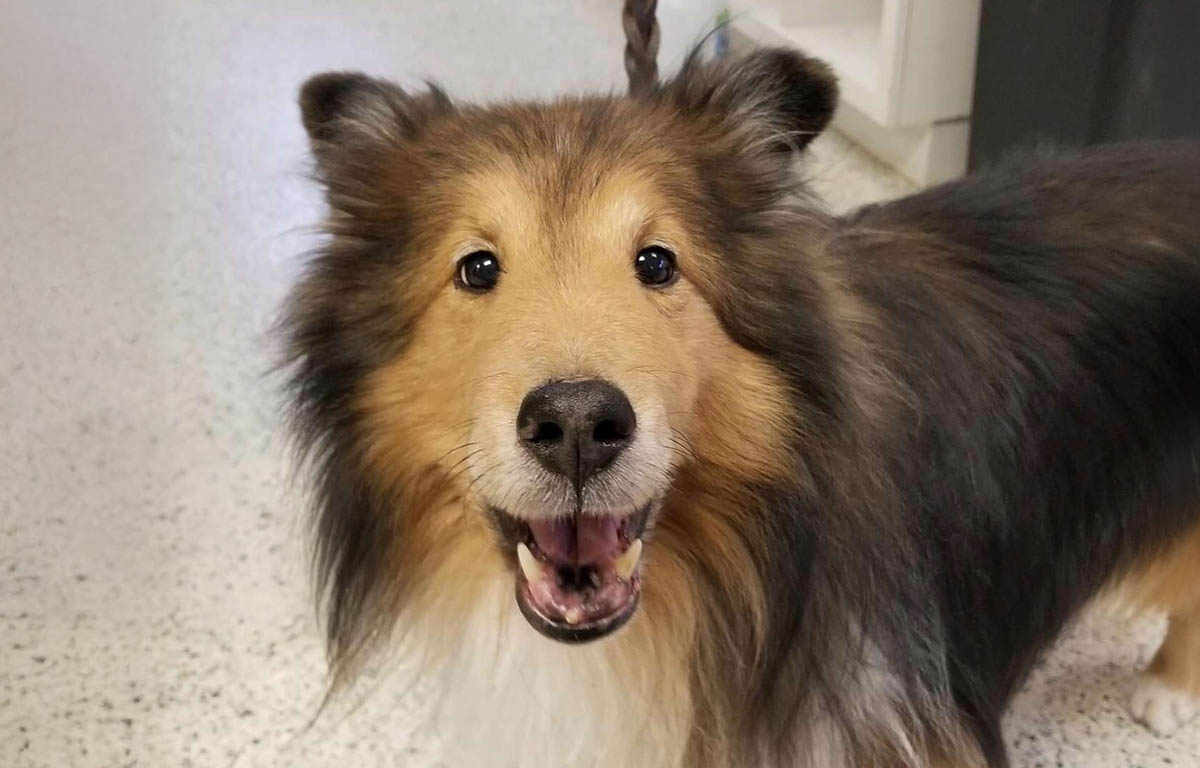
Gum disease is characterized by a number of visible symptoms, including:
- Yellow or brown tartar on the teeth near gumline
- Swelling or inflammation at the gumline
- Sensitive gums
- Bad breath
- Loose teeth
However, it’s important to keep in mind that gum disease can be insidious, and many pets won’t show symptoms until the disease has progressed.
How Dog and Cat Gum Disease is Diagnosed
Diagnosing gum disease involves the following basic steps:
- Oral examination
- Dental cleaning
- Digital dental imaging
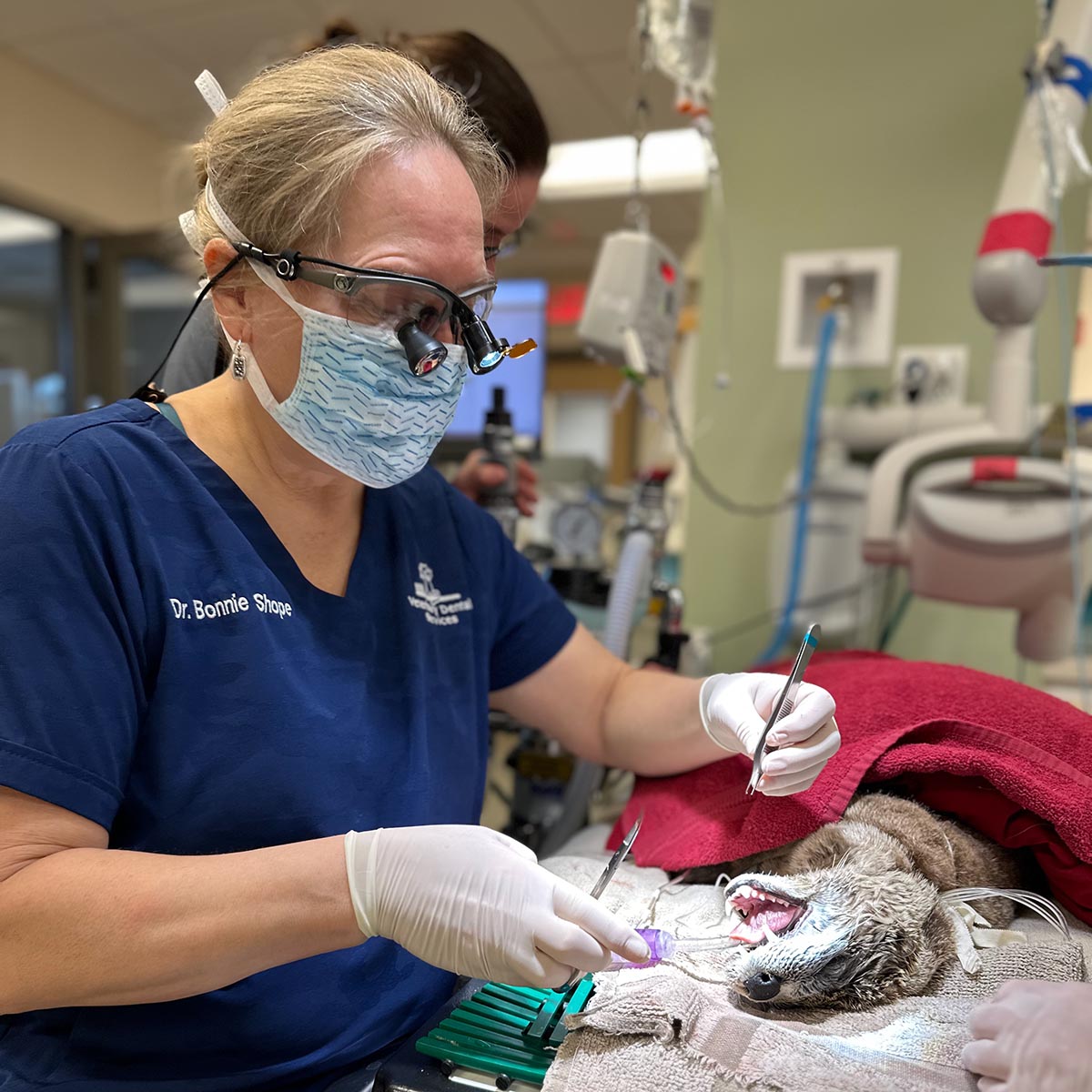
We perform a comprehensive oral exam under anesthesia for your pet’s safety, and because anesthesia allows us to be thorough in our evaluation. During the cleaning, we will remove plaque and tartar above and below the gumline, using an ultrasonic scaler and hand instruments. We also use a probe and dental explorer during the oral exam to feel for and measure the depth of pockets between the gum and teeth. Loss of gum tissue and tooth mobility are also evaluated.
The second step of diagnosing gum disease involves digital x-rays and cone beam CT scanning. This technology allows us to view below the gumline to determine the extent of bone loss, which can be a symptom of gum disease.
Treating Pet Gum Disease
Treating gum disease goes far beyond a routine cleaning. Our specialists take a comprehensive, science-driven approach to restore your pet’s oral health and prevent future damage. Every treatment plan is customized to your pet’s unique needs, with the goal of relieving pain, preserving teeth whenever possible, and restoring long-term comfort and function.
Depending on the stage of periodontal disease, treatment may include:
-
Ultrasonic scaling (cleaning)
Removes plaque and calculus buildup above and below the gumline
-
Root planing and subgingival curettage
Smooths tooth roots and removes residual debris to help gums reattach and heal
-
Pocket therapy
Uses targeted perioceutic treatments to reduce pocket depth and promote tissue reattachment
-
Gingivectomy
Surgically removes diseased or overgrown gum tissue for a healthier gumline
-
Periodontal flap surgery
Opens and cleans deep pockets or covers exposed roots to preserve teeth
-
Guided tissue regeneration
Stimulates regrowth of bone and soft tissue to stabilize teeth and prevent jaw fractures
-
Tooth extractions
Performed when a tooth is too damaged or diseased to save
-
Reconstructive surgery
Closes oronasal defects caused by severe bone loss in advanced periodontal cases
The Power of Preventive Care
Periodontal disease can affect far more than your pet’s mouth; it can impact their overall comfort and quality of life. At our Boxborough animal hospital, we use advanced diagnostics, precise surgical techniques, and compassionate care to restore oral health and prevent future problems.
If you’ve noticed bad breath, bleeding gums, or changes in your pet’s eating habits, don’t wait. Call us today and take the first step toward a healthier, happier smile.